Biology, engineered.
Biology,
engineered.
engineered.
9.7 billion people by 2050.
The world will need more palm oil.
More from every
planted hectare.Not more forest.
That is our mission.
18 Years
25 Microbial Refineries.

Our clients turn mill waste into millions of dollars’ worth of fertiliser and biologicals with our Advanced Microbial Refineries.
Our mission: every palm oil mill, its own fertiliser plant.
We engineer the biology.
Encode the biology in bioalgorithms. Substrate recipes calibrated to the mill and the estate.
18
Years
3,500+
Lab results
We build the facility.
Construct the Advanced Microbial Refinery beside the mill, integrated with existing operations.
25
Facilities
We run it inside the mill.
Operate the AMR at industrial scale. Long-term technical responsibility.
18.5M+
Tonnes processed
380,000
Hectares under Matrix
Ten thousand generations of evolution, encoded.
Our proprietary microbial lines have evolved for eighteen years. Encoded as bioalgorithms in the EMI platform, and documented in 3,500+ accredited laboratory results.


A living plantation estate, managed end-to-end through applied agronomy and governed by real-time digital agriculture.
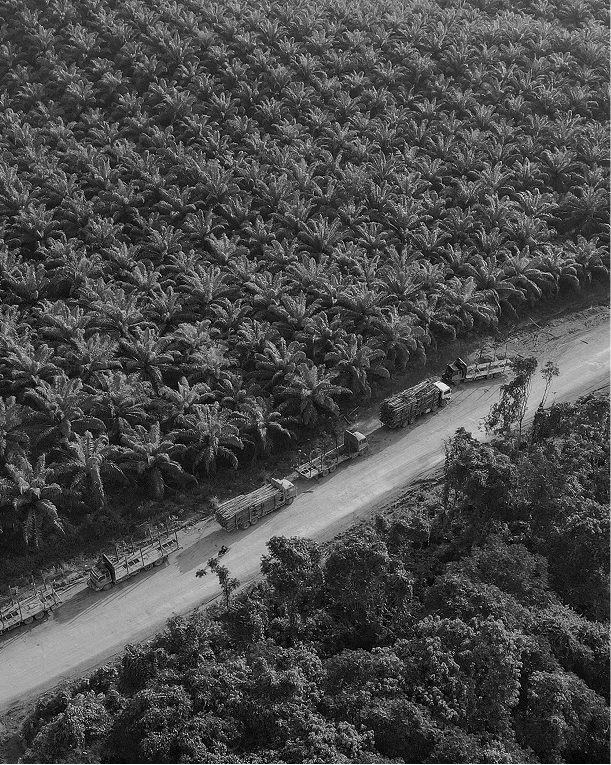
A 60-tonne-per-hour mill at baseline running processes about 340,000 tonnes of fresh fruit bunches a year. Milling leaves two residue streams: liquid effluent and empty fruit bunches. This is where the system begins.
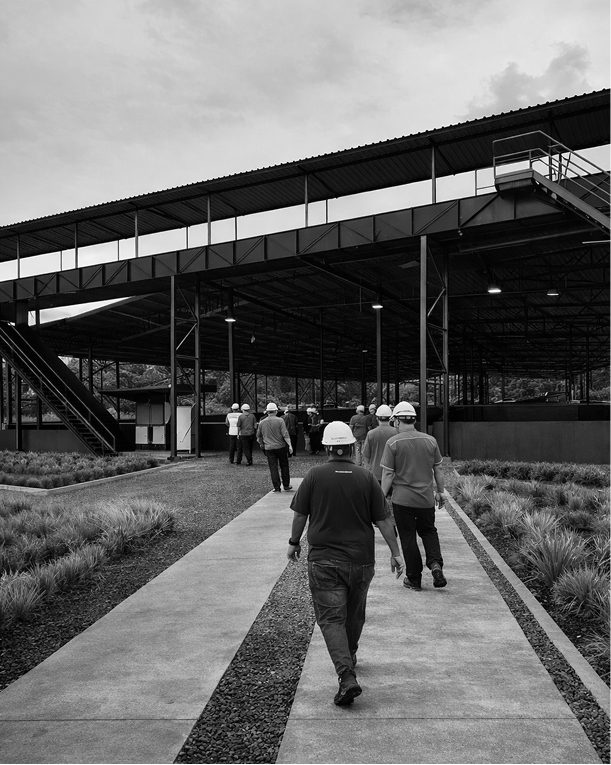
The AMR is installed beside the palm oil mill, where the estate already produces the inputs required for biological infrastructure.
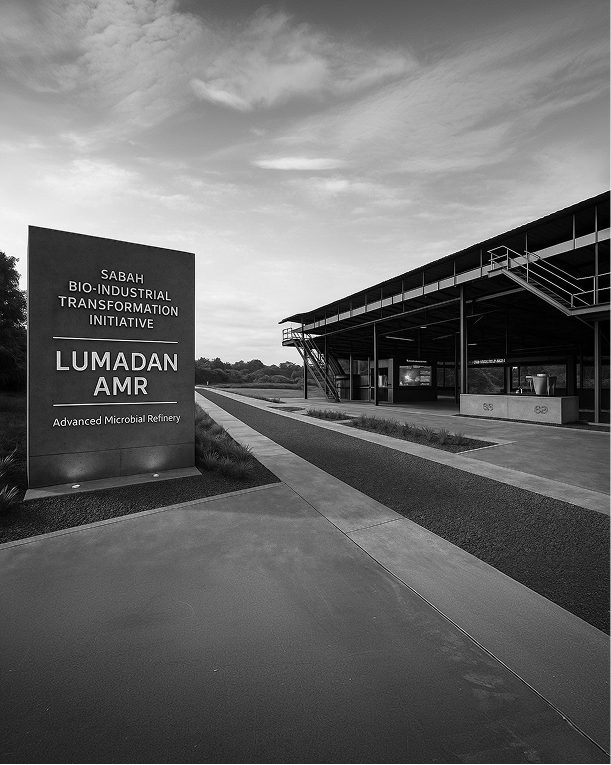
At 0.6 cubic metres per tonne of fruit processed, Palm Oil Mill Effluent is the mill’s liquid residue. Instead of being treated and discharged, it is routed into the AMR as moisture, organic load and biological feedstock for Matrix.

Around 23 tonnes of Empty Fruit Bunches leave the mill for every 100 tonnes of fruit processed. They provide the biomass body of the substrate: staged into fermentation beds, broken down under controlled conditions, and encoded with BARcodes as they mature into Matrix.
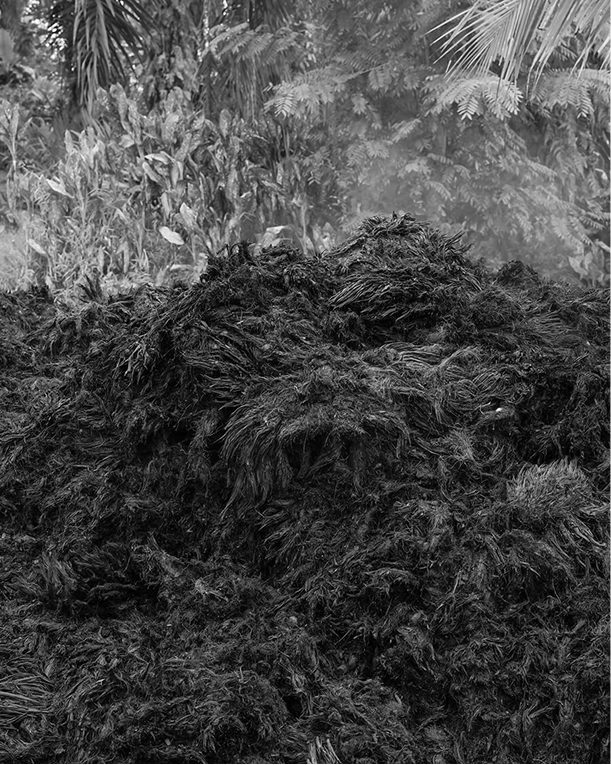
The mill’s two waste streams return as one product: roughly 18 tonnes of Matrix for every 100 tonnes of fruit processed. Matrix carries organic matter, nutrients and microbial function back into the estate, displacing around 6,100 tonnes of synthetic fertiliser a year.
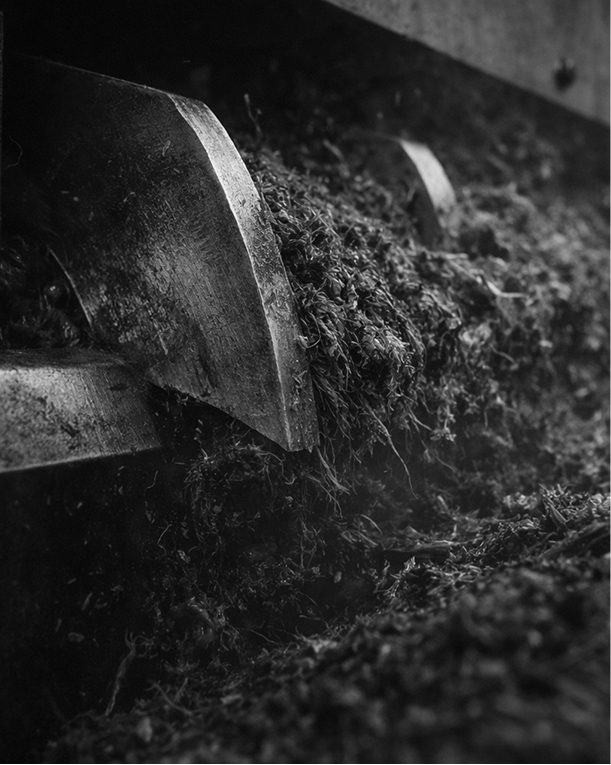
Matrix is applied at ten tonnes per hectare, formulated through agronomic diagnostics and tuned to field conditions.

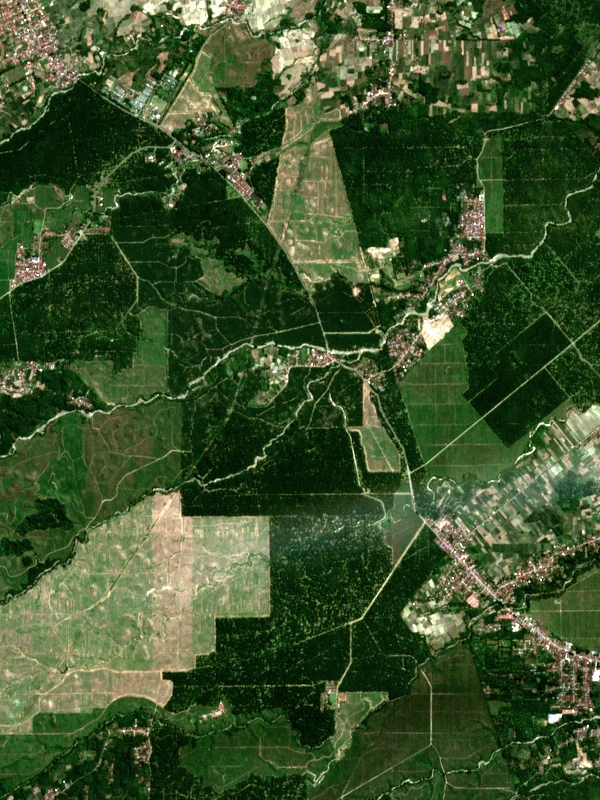
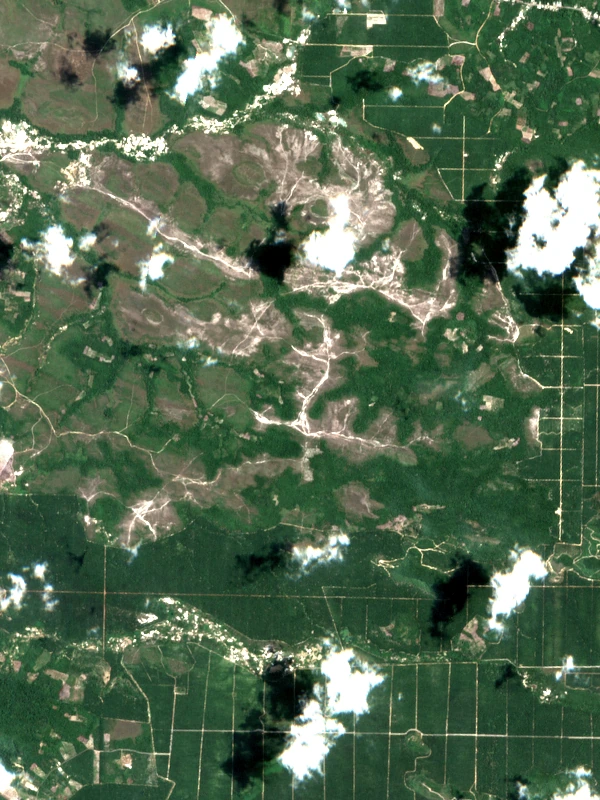
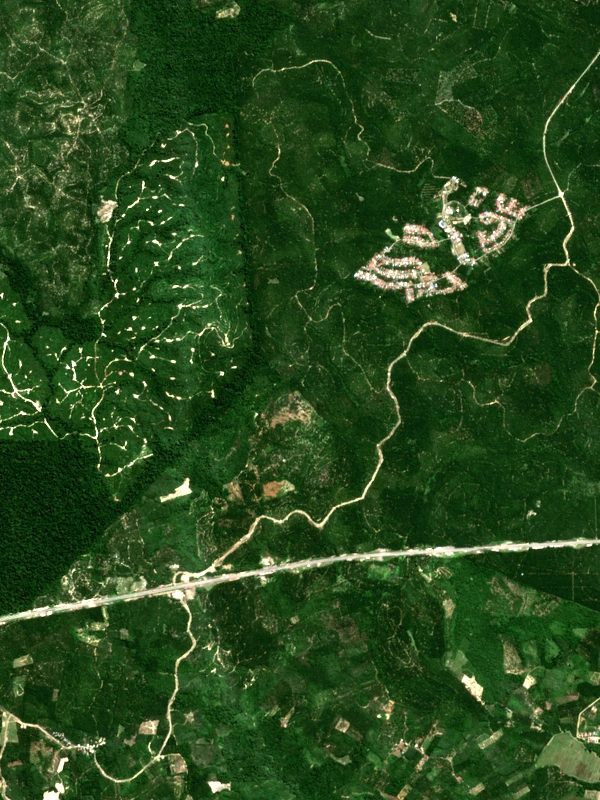
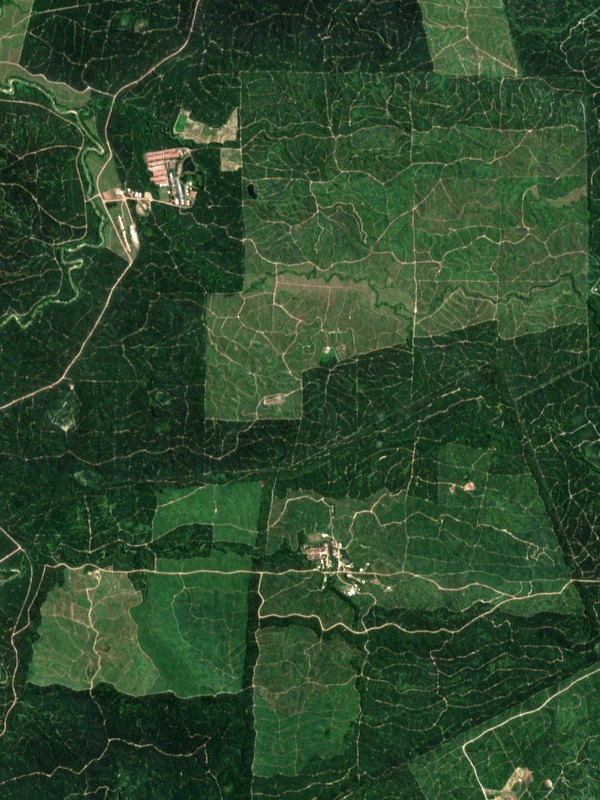
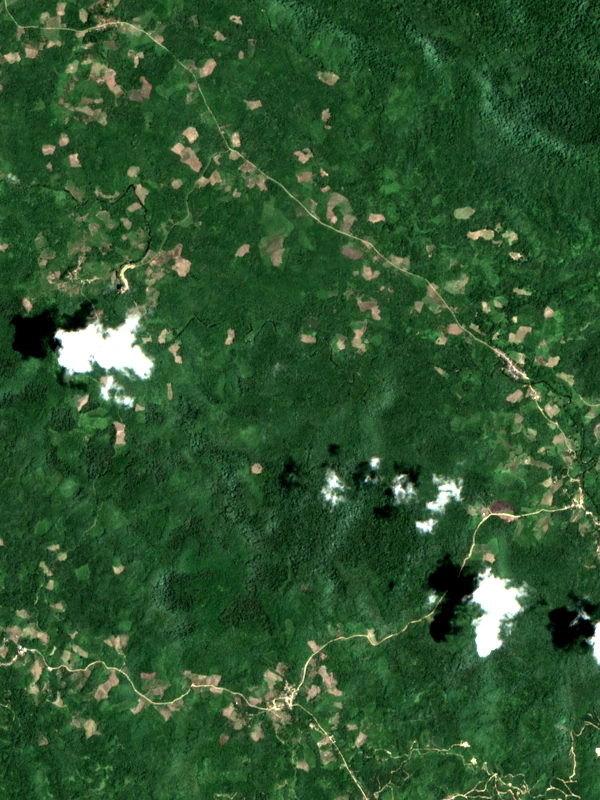
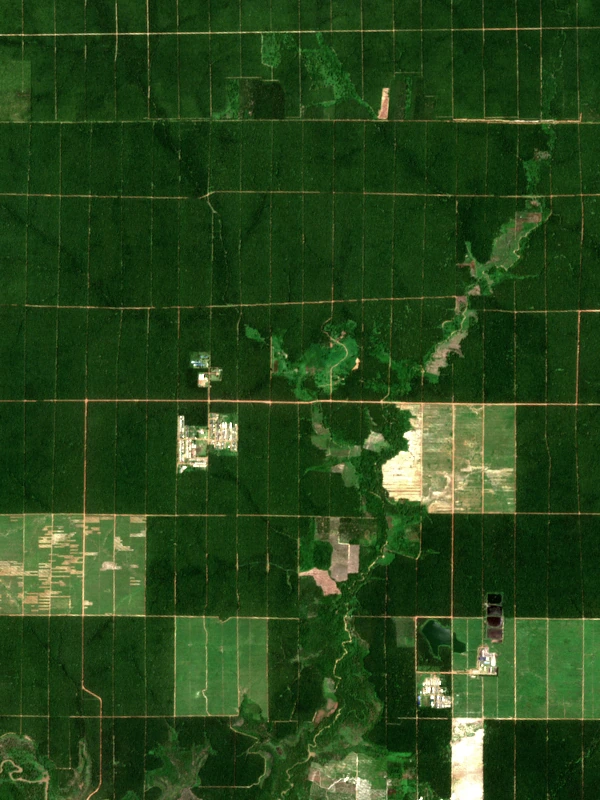
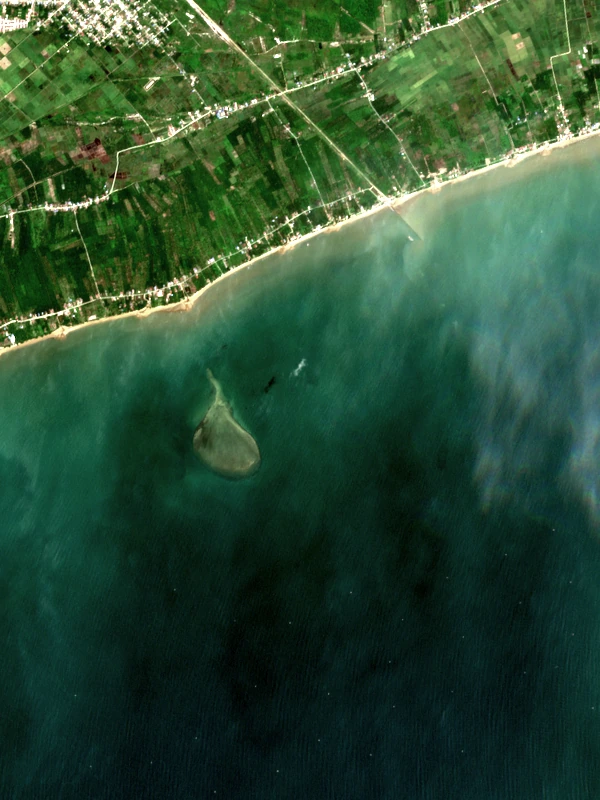

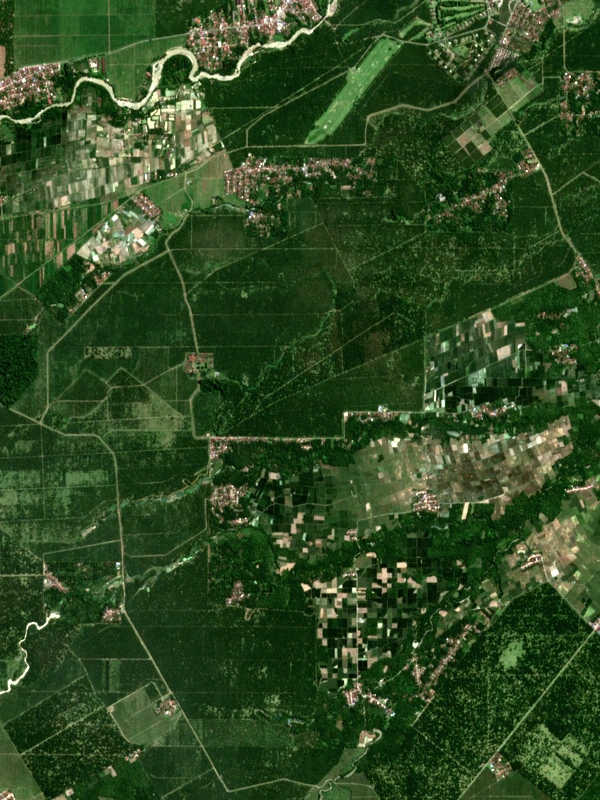
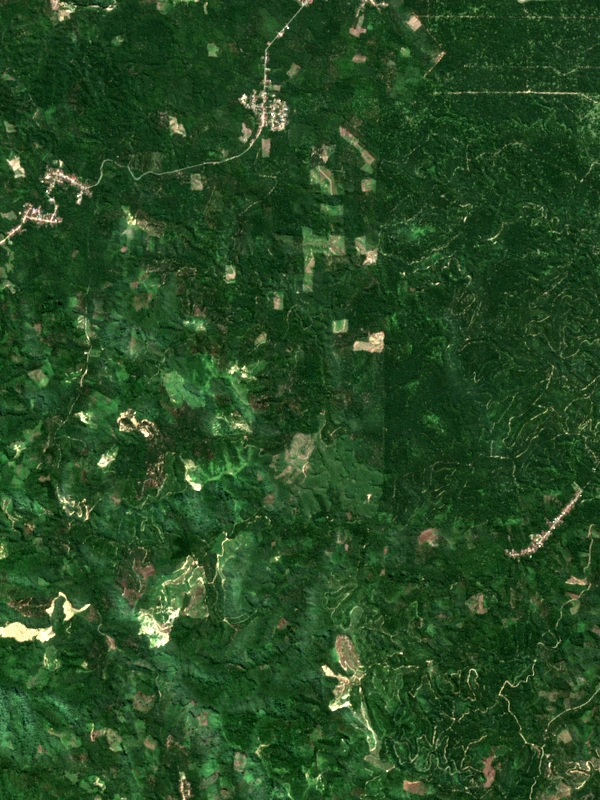
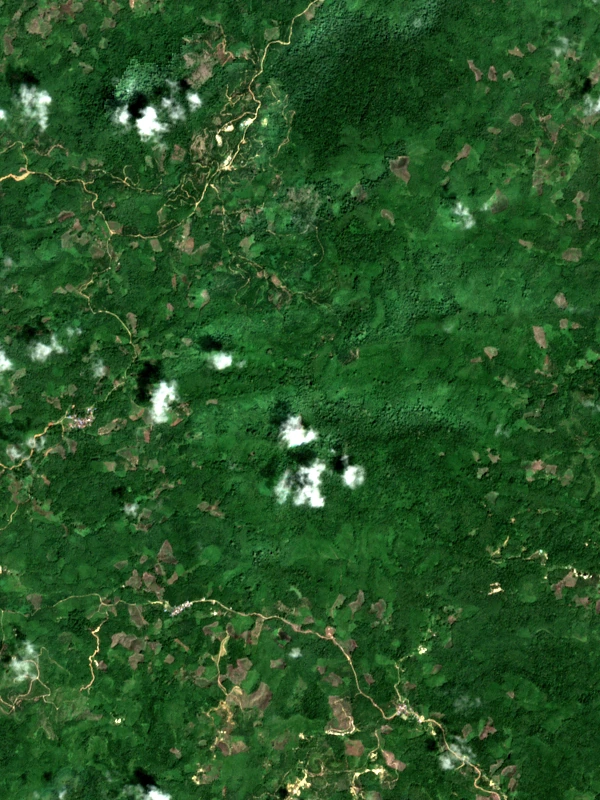
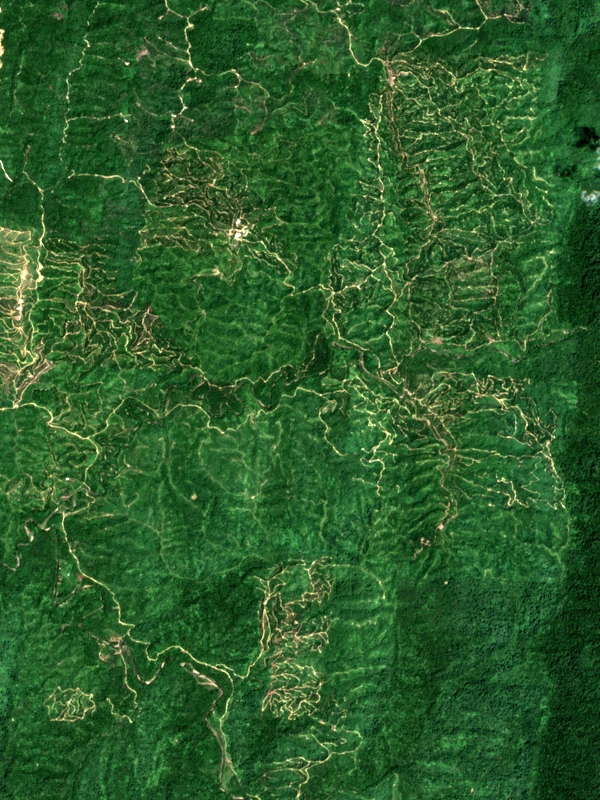
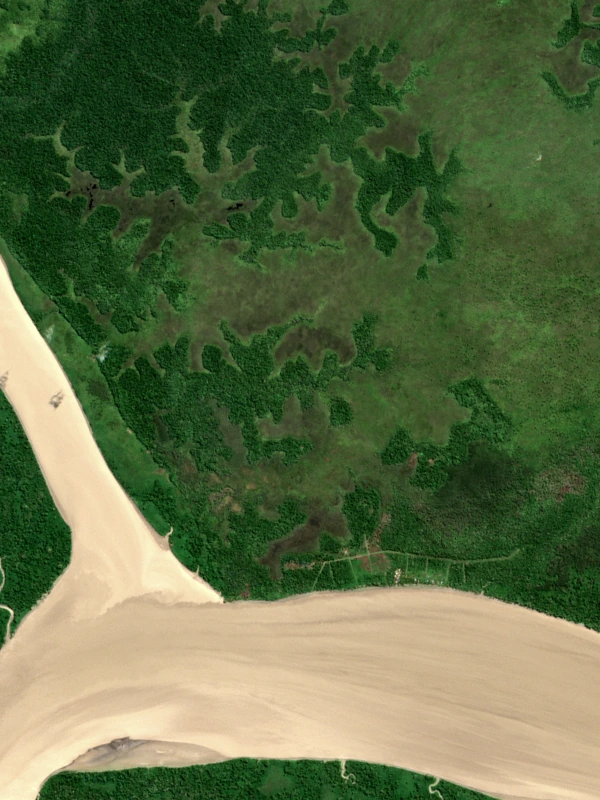
Satellite imagery: contains modified Copernicus Sentinel data 2023 to 2026.



A living plantation estate, managed end-to-end through applied agronomy and governed by real-time digital agriculture.

The AMR is installed beside the palm oil mill, where the estate already produces the inputs required for biological infrastructure.
POME and Empty Fruit Bunches are routed into the AMR, processed through Biological Substrate Engineering, encoded with BARcodes, and returned to the field as Matrix.
Turning underperforming land into biological capital.
BPP Regeneration Capital applies the full BPP system to agricultural assets.
Identify where biological, operational, and financial value is trapped inside the estate.
Rebuild the estate from the soil upward.
Install the infrastructure layer that converts mill streams into field recovery.
Reduce exposure to fertiliser price volatility and external input dependency.
Support long-term field performance by improving the biological base of the plantation.
Operational improvements can support credible carbon pathways.
Project Atlas.
20,000 hectares owned and in transformation.
Project Atlas.
